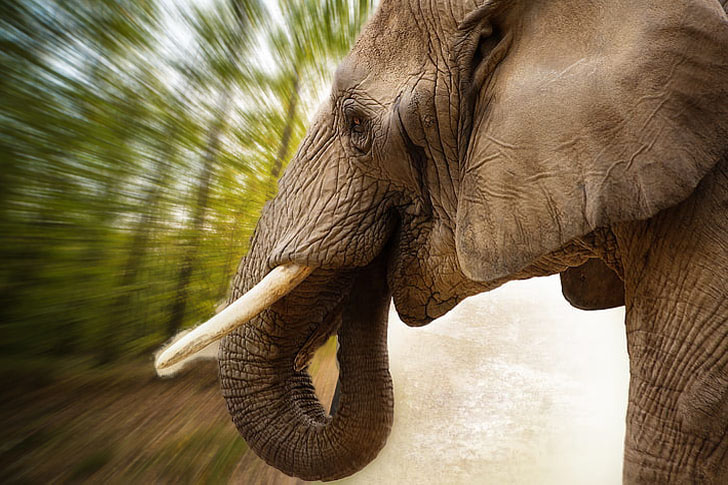
Poaching has many effects, animals populations are facing extinction because of these practices. According to Interpol the market value of the illegal market is worth up to 20 billion dollars per year. The average person is aware of the issues caused by poaching, then why is the market valued so high? What kind of animals are in danger? and what can be done to prevent this appalling practice.
Most people know right from wrong, an assumption most can make. Most countries have banned the sale of ivory internationally. The lingering question is then, what is driving these markets? At first glance it would obviously be the poachers, what are their drivers and motivating causes. Most of the poachers in countries where poaching is rampant come from countries that are experiencing civil war and these people have families to look after and aren’t given much options. These common traits lead most into the lucrative business of poaching. Most countries in civil war are known to have corrupt governments that facilitate these practices either by turning a blind eye or providing documentation for the right price. If it can’t be stopped from the source then what are the driving factors for its demand in the international black markets. There are black market myths created about using thing like ground up rhino horn as an aphrodisiac, anti-aging and various other health benefits. None of these things have been scientifically proven but there is a market for it in the world. Apart from these people like to have these items as status symbols to flaunt their wealth. Notably attire, pianos, and elaborate sculptures.
There are a number of things that can be done to help create awareness and in some cases prevent poaching from happening. Shockingly, one method used by poachers to track and kill an animal is “Geo-tagging” . Poachers scrape the Internets meta data of pictures that have Geo-tagging enabled. Simply people publicly posting their pictures with geographical data on the internet with animals they encounter is putting wildlife populations at risk. Accessing who you should share information with and how it is shared should be a top priority these days.
What can be done? People can choose to purchase alternatives products instead of poaching, for example using Tagua instead of ivory or buying sweaters and clothes made of alpaca wool.
References
https://www.interpol.int/en/Crimes/Environmental-crime/Wildlife-crime