This post contains affiliate links. If you purchase through our links, we may earn a small commission at no extra cost to you. We only recommend products we believe in.
Lavender essential oil has been cherished for centuries for its therapeutic properties and calming aroma. Majestic Pure is one of the most trusted brands on Amazon.ca — steam-distilled from fresh lavender flowers, bottled in UV-protective amber glass, and consistently top-rated by Canadian buyers. This guide covers every Majestic Pure lavender option plus two diffusers so you can get the full aromatherapy setup.
Relaxation & Stress Relief – Helps calm the mind and ease anxiety after a long day.
Improved Sleep – A few drops in a diffuser before bed promotes deeper, more restful sleep.
Headache Relief – Applied to temples with a carrier oil, it eases tension headaches.
Skin & Hair Care – Soothes minor skin irritations and supports a healthy scalp.
Natural Bug Repellent – Mosquitoes and insects dislike the scent.
How to Use Lavender Oil
Diffuser: Add 5–10 drops to a water-filled diffuser for room-wide aromatherapy.
Topical: Always dilute with a carrier oil (coconut, jojoba) before applying to skin — roughly 2–3 drops per teaspoon of carrier oil.
Bath soak: Mix 5 drops with a tablespoon of carrier oil, then add to warm bath water.
Pillow mist: Dilute in a small spray bottle with water, mist your pillowcase before sleep.
Best Majestic Pure Lavender Oil Options
1. Majestic Pure Lavender Essential Oil — Best Overall
The classic — this is Amazon.ca’s top-selling lavender oil and the one most Canadians start with. 100% pure, steam-distilled, comes with a dropper in an amber glass bottle. Versatile enough for diffusing, skincare, and hair care.
2. Majestic Pure Lavender Essential Oil 60ml — Best Large Bottle
Same formula, bigger bottle. If you use lavender oil regularly — in a diffuser daily or in DIY body care recipes — the 60ml size cuts your cost per use significantly. Good pick for households that go through oil quickly.
3. Majestic Pure Lavender USDA Organic (1 fl oz) — Best Certified Organic
If certification matters to you — for skincare use, for children’s rooms, or simply for peace of mind — this is the one to get. USDA certified organic, same Majestic Pure quality, 1 fl oz bottle. Slightly higher price point, fully justified for direct skin application.
4. Majestic Pure Essential Oils Set (8 Oils) — Best Gift
Lavender plus seven other popular essential oils — a complete aromatherapy starter kit. This is the best option if you’re buying as a gift or want to experiment with blending (lavender pairs beautifully with peppermint, eucalyptus, and lemon). Great value for the collection you get.
5. Essential Oil Diffuser 550ml (Wood Grain) — Best Premium
A 550ml capacity means it runs for hours without refilling — ideal for bedrooms or living rooms. The wood grain finish looks beautiful on a nightstand or shelf. Multiple mist settings, auto shut-off, and optional ambient light. This is the one to get if you want something that looks as good as it works.
6. URPOWER 300ml Aromatherapy Diffuser — Best Budget
URPOWER has been one of the most reliable budget diffuser brands for years — well-reviewed, compact, and simple to use. The 300ml tank covers a medium-sized room for several hours. Great starter diffuser or a secondary unit for a bathroom or home office.
Finding a gift that feels genuinely thoughtful has never been more meaningful — or more complicated. With so many options flooding the market, how do you choose something that’s beautiful, high-quality, and actually good for the planet?
If you’re shopping for an eco-conscious woman in Canada, you’re in the right place. This guide covers the best sustainable gifts for women in 2026 — from handcrafted jewelry made in the rainforests of Ecuador to zero-waste kitchen picks and clean beauty essentials. Every item on this list is ethically sourced, environmentally responsible, and genuinely worth giving.
Note: This post contains affiliate links. If you purchase through them, we may earn a small commission at no extra cost to you. We only recommend products we genuinely believe in.
Why Sustainable Gifts Matter More Than Ever
Canadians are increasingly conscious of how their purchases impact the environment. But “sustainable” is a word that gets thrown around a lot — so when we use it here, we mean products that are:
Ethically sourced — made without exploiting people or ecosystems
Environmentally responsible — with a low carbon footprint and minimal waste
Built to last — quality over quantity, not fast fashion or disposable goods
Supporting artisan communities — keeping traditional crafts and skills alive
With that in mind, here are our top picks.
1. Tagua Nut Jewelry — Vegetable Ivory from Ecuador
Best for: Nature lovers, minimalist style, eco-fashion enthusiasts
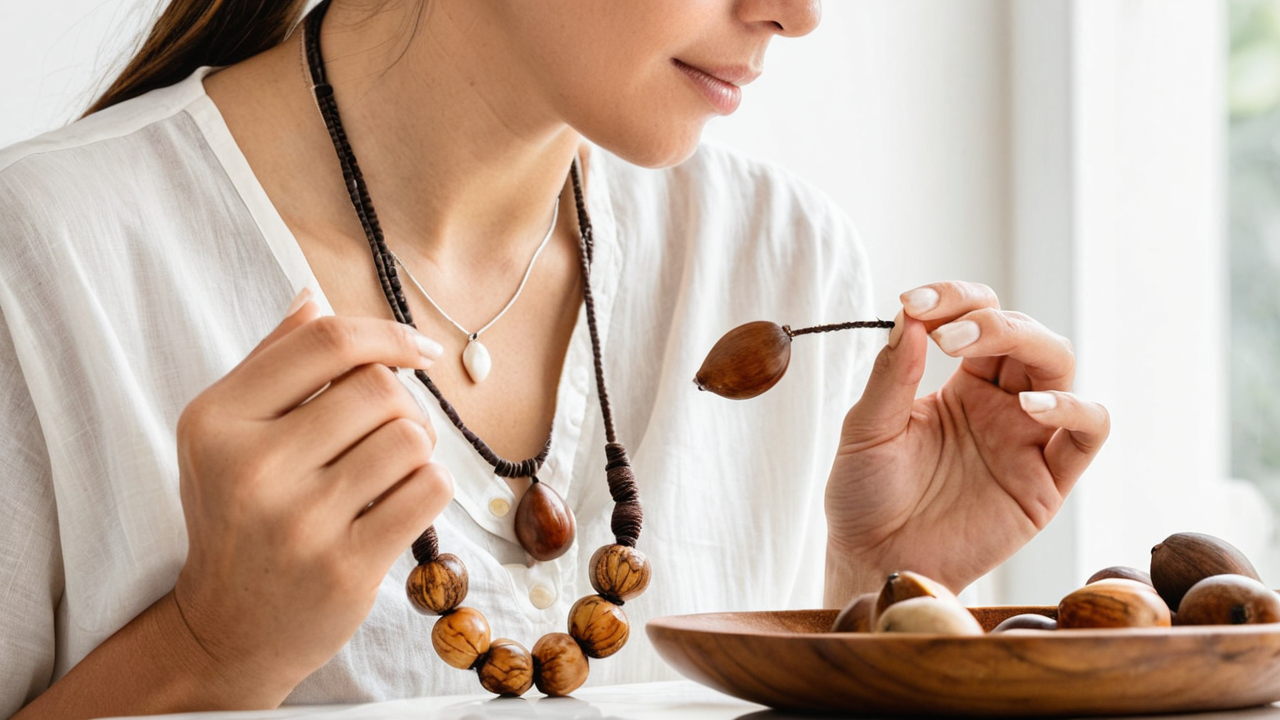
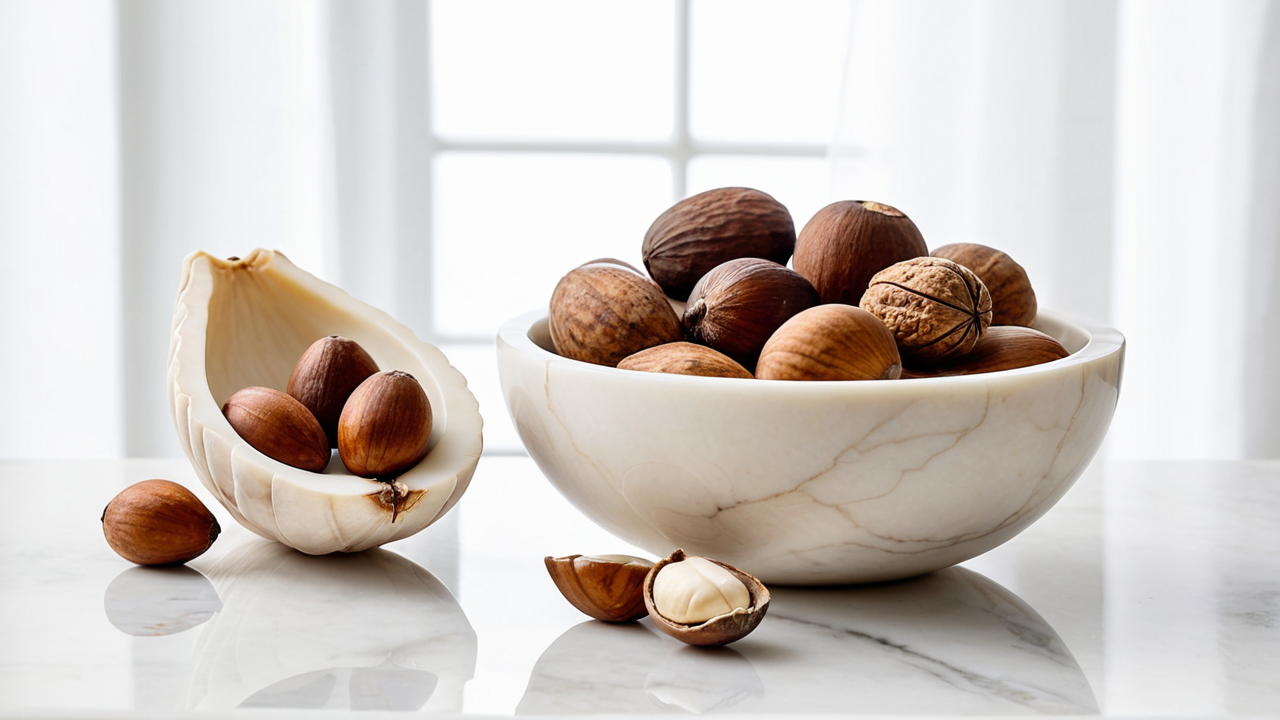
If there’s one sustainable gift that never fails to impress, it’s Tagua jewelry. Tagua — also called “vegetable ivory” — comes from the nut of the Phytelephas palm tree, found in the tropical rainforests of Ecuador and Colombia. It’s incredibly hard, naturally white, and can be carved and dyed into stunning jewelry pieces that look and feel like real ivory — without harming a single animal.
Harvesting tagua nuts is also a powerful conservation tool. When local communities can earn a living from the forest, they have a direct economic incentive to protect it from logging and agriculture. Every tagua purchase directly supports Ecuadorian artisans and rainforest preservation.
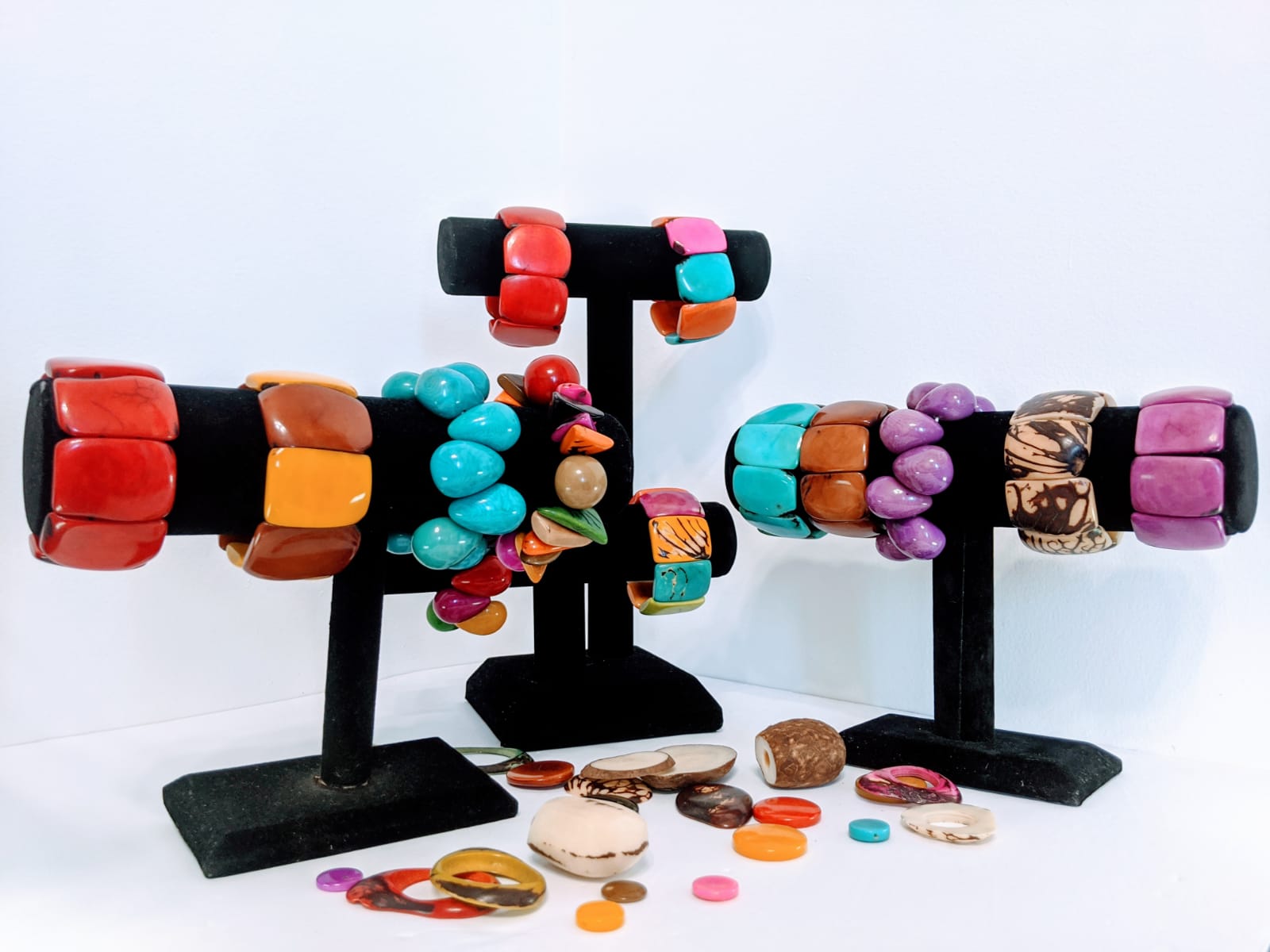
At Mocoche, we carry handmade Tagua jewelry sets — including earrings, bracelets, and necklaces — crafted by skilled artisans in Ecuador. Each set is one-of-a-kind and comes in a beautiful range of colours.
2. Zero-Waste Kitchen — Reusable Bamboo Paper Towels
Best for: Home cooks, eco-minimalists, anyone trying to cut single-use waste
The average Canadian household goes through hundreds of paper towel rolls a year — it’s one of the most wasteful single-use habits in the home, and one of the easiest to fix. Reusable bamboo paper towels are a practical, low-barrier sustainable gift that actually changes daily habits.
The KitchLife Bamboo Paper Towels are one of the best-selling options on Amazon.ca for good reason: one roll replaces up to 10 conventional paper towel rolls, lasts for months of daily use, and is fully washable and compostable at end of life. Bamboo grows without pesticides or irrigation, making it one of the most sustainable plant materials available.
Why we love it: Replaces hundreds of paper towels, machine washable, zero-waste packaging, biodegradable, and a genuinely useful everyday gift.
Best for: Commuters, coffee lovers, women who are always on the go
A high-quality reusable travel mug is one of the most practical sustainable gifts you can give — and the NAZE Eco-Friendly Bamboo Travel Mug is one of the most distinctive options on Amazon.ca. Made from natural organic bamboo fibre, it has a warm, earthy feel that’s a genuine alternative to the sea of identical stainless steel tumblers.
It comes with a silicone lid and sleeve, works for coffee, tea, or milk, and is suitable for both kids and adults. Bamboo is one of the fastest-growing and most sustainable plants on earth — it requires no fertilizer, regenerates from its own roots, and produces more oxygen per acre than most trees.
Why we love it: Natural bamboo fibre, silicone lid included, lightweight, beautiful design, available with fast shipping across Canada.
Best for: Skincare routines, clean beauty fans, zero-waste beginners
Disposable cotton makeup wipes are one of the most wasteful items in the average bathroom — used once and thrown away, billions end up in landfill every year. Switching to reusable makeup remover pads is one of the simplest zero-waste swaps a woman can make, and it makes an excellent, practical gift.
The Bambaw Reusable Makeup Remover Pads come in a set of 22 pads made from bamboo and cotton — soft enough for sensitive skin, durable enough to survive hundreds of washes. They come with a laundry bag for easy washing, and are a clear upgrade from the scratchy, single-use alternative.
Why we love it: 22 pads + laundry bag included, bamboo-cotton blend is gentle on skin, machine washable, zero-waste, and a gift that genuinely reduces daily plastic use.
Best for: Skincare enthusiasts, toner users, eco-conscious beauty routines
If you want a step up in softness and quality, the LiviSimple Reusable Makeup Remover Cotton Pads are a premium alternative. Made from sustainably sourced cotton with a soft, quilted texture, they work beautifully with toner, micellar water, and face wash — and the sustainable focus extends to the packaging, which is also designed to minimize waste.
These pair beautifully with the Bambaw pads above — together they make an excellent zero-waste skincare gift set that covers every step of a daily routine.
Why we love it: Ultra-soft cotton, sustainable packaging, great for sensitive skin, reusable and machine washable, available on Amazon.ca with Prime shipping.
Single-use plastic straws are banned across much of Canada — and reusable bamboo straws are one of the most cheerful, giftable zero-waste swaps available. The Tiny Panda Reusable Bamboo Drinking Straws come in a set of 15 natural straws with a linen travel and storage pouch — sturdy, biodegradable, and genuinely plastic-free.
Each straw is made from 100% natural bamboo — no plastic coating, no synthetic materials. They’re strong enough for thick smoothies, look beautiful on a table, and the travel pouch means they’re easy to bring to restaurants or on the go.
Why we love it: 15 straws + linen storage pouch, 100% natural bamboo, fully biodegradable, great for travel, one of the best-rated bamboo straw sets on Amazon.ca.
Best for: Health-conscious foodies, chocolate lovers, wellness gifters
Ecuador is home to some of the world’s finest cacao, specifically the rare Arriba Nacional variety — celebrated for its complex, floral flavour and low bitterness. Unlike conventional chocolate, ethically sourced Ecuadorian cacao is organic, shade-grown, and fair-trade certified.
Organic cacao is also genuinely good for you — rich in magnesium, antioxidants, and natural mood-boosting compounds. Great formats to gift include raw cacao powder for smoothies, cacao nibs as a snack, and dark chocolate bars (85%+). Look for products certified organic by Ecocert or USDA Organic, sourced directly from Ecuadorian cooperatives.
How to Shop Sustainably in Canada: Quick Tips
Look for third-party certifications — Fair Trade, USDA Organic, Rainforest Alliance, B Corp, or Leaping Bunny
Research the brand’s supply chain — do they name their suppliers? Do they pay fair wages?
Prioritize small businesses and artisans — your dollars go further and mean more
Buy less, buy better — one well-made gift beats three forgettable ones
Sustainable gifting is about more than reducing waste — it’s about making choices that feel good at every step of the supply chain. Whether it’s a piece of handmade Tagua jewelry, a set of reusable bamboo kitchen goods, or a zero-waste beauty kit, every item above is a genuine upgrade from the throwaway alternative.
At Mocoche, that’s exactly what we believe in. Explore our collection of ethically sourced Ecuadorian products — made with care, shipped to Canada, and designed to make a difference.
A truly sustainable gift is ethically sourced, environmentally responsible, and built to last. Look for third-party certifications (Fair Trade, Organic, B Corp), transparent supply chains, and products from small-scale artisans rather than mass manufacturers.
Is Tagua jewelry a good gift for Canadians?
Absolutely. Tagua jewelry is lightweight, unique, hypoallergenic, and ethically made — and it ships across Canada. It’s an especially meaningful gift for women who care about sustainability, ethical fashion, or supporting indigenous artisan communities in South America.
Where can I buy sustainable gifts in Canada?
Many Canadian and international ethical brands ship to Canada. Mocoche (mocoche.com) specializes in ethically sourced Ecuadorian products including handmade Tagua jewelry. For zero-waste home and beauty picks, Amazon.ca carries a strong selection of bamboo and reusable alternatives with fast Prime shipping.
What is vegetable ivory?
Vegetable ivory is another name for the Tagua nut — the seed of the Phytelephas palm tree, native to South American rainforests. When dried, it becomes extremely hard and white, closely resembling animal ivory in texture and appearance, but 100% plant-based and cruelty-free.
This post contains affiliate links. If you purchase through our links, we may earn a small commission at no extra cost to you. We only recommend products we believe in.
Tagua jewelry is one of those rare things that gets better the more you know about it. Made from the dried seed of an Ecuadorian palm tree — known as vegetable ivory — each piece is entirely plant-based, handcrafted, and completely unique. But like any natural material, tagua needs a little care to stay beautiful for years to come.
The good news? Caring for tagua jewelry is simple. No expensive cleaners, no trips to the jeweler. Just a few easy habits and your pieces will last for decades — maybe longer. Vintage tagua jewelry from the 1940s still exists in perfect condition today, proof that with the right care, this is a material built to last.
Here’s everything you need to know.
What Makes Tagua Different From Regular Jewelry?
Before getting into the care tips, it helps to understand what tagua actually is. The tagua nut is the seed of the Phytelephas palm tree, harvested naturally from the forest floor in Ecuador and other parts of South America. Once dried over several months in the sun, the seed hardens to a density comparable to animal ivory — smooth, durable, and beautifully carveable.
Unlike metal or plastic jewelry, tagua is a porous natural material. That porosity is what gives it such a beautiful ability to absorb vibrant dyes — but it also means tagua can be affected by moisture, prolonged sun exposure, and harsh chemicals in ways that metal jewelry would not be. Think of it like fine wood or leather: beautiful, durable, and responsive to how you treat it.
The result of that care? A piece of jewelry that develops its own character over time and can genuinely become an heirloom.
7 Essential Tagua Jewelry Care Tips
1. Keep It Away From Water
This is the most important rule. Tagua is a natural seed, and like wood, it doesn’t do well with prolonged water exposure. Getting your piece wet occasionally won’t destroy it, but repeated or extended contact with water — showers, swimming pools, hot tubs, the ocean — can cause the tagua to swell, warp, or even crack over time. The cords or strings used to assemble necklaces and bracelets can also deteriorate when repeatedly soaked.
The habit to build: Take off your tagua jewelry before showering, washing dishes, or swimming. It takes five seconds and will significantly extend the life of your pieces.
2. Apply Perfume, Lotions, and Hairspray First — Then Put On Your Jewelry
Because tagua is porous, it readily absorbs whatever it comes into contact with — including the chemicals found in perfumes, body lotions, sunscreen, and hairspray. Over time, these products can build up on the surface of the nuts, dulling the colour and finish.
The habit to build: Get fully ready first, then put your jewelry on as the final touch. This single habit protects not just tagua, but most jewelry you own.
3. Store Each Piece Separately
Tagua beads are hard and smooth — meaning they can scratch against each other or other jewelry if stored together loosely. A tangled jewelry drawer is also where cords get strained and clasps get bent.
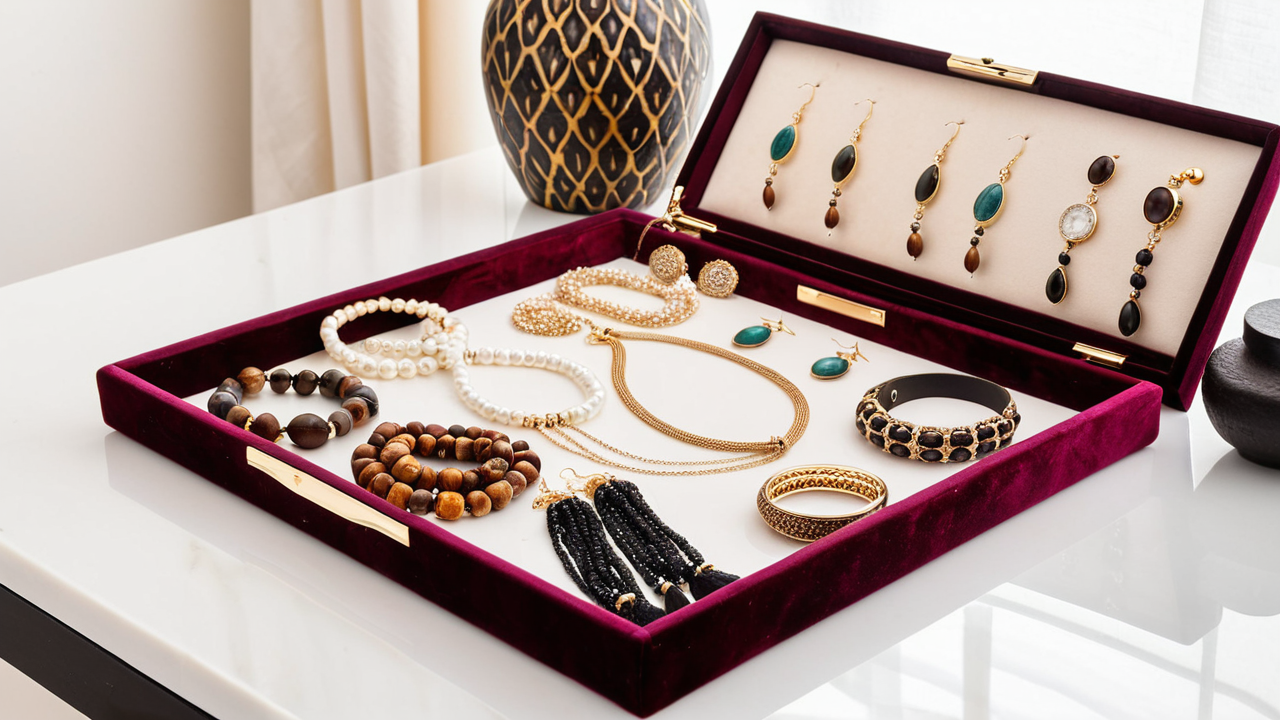
The habit to build: Store each piece in its own soft fabric pouch (many tagua sellers, including Mocoche, include one with orders), or lay pieces flat in a compartmentalized jewelry box. A cool, dry, well-ventilated room is ideal — not the bathroom, where humidity is high.
Some tagua lovers hang their necklaces on small wall hooks or a wooden jewelry stand — a beautiful and practical solution that keeps pieces untangled and on display.
4. Keep It Out of Prolonged Direct Sunlight
The vegetable dyes used to colour tagua jewelry are vibrant and long-lasting, but like all natural dyes, they can fade with prolonged UV exposure. Wearing your piece outside on a sunny day is perfectly fine — the issue is leaving it sitting in direct sunlight for extended periods, like on a windowsill or on the dashboard of a car in summer.
The habit to build: Store your tagua jewelry away from windows and out of cars when not wearing it. A drawer, jewelry box, or shaded shelf is ideal.
5. Clean Gently After Wearing
After a day of wear, a light wipe-down is all your tagua jewelry needs to stay fresh. Natural oils from your skin can build up on the surface over time, gradually dulling the finish.
How to clean tagua jewelry:
Use a soft, dry cloth to gently wipe each piece after wearing
For a deeper clean, use a slightly damp cloth (not soaking wet) with a tiny drop of mild soap — then pat dry immediately and allow to air dry completely before storing
Never use harsh chemical cleaners, abrasive cloths, or jewellery polishing cloths designed for metal
Never soak tagua in water, even briefly
For metal components and other jewelry in your collection: If your tagua pieces have metal clasps, ear hooks, or findings — or if you have other jewelry you want to deep-clean alongside them — an ultrasonic cleaner is an excellent tool for those metal parts. The Magnasonic Ultrasonic Jewelry Cleaner is a popular choice: compact, effective, and safe for metals, gemstones, and hard materials. Just clean the tagua beads separately using the soft cloth method above — the tagua itself should never be submerged.
6. Restore Shine With a Natural Oil or Wax (Once a Year)
This is the secret step that most tagua owners don’t know about — and it makes a real difference. Because tagua is a natural material, it can occasionally benefit from a light conditioning treatment, similar to how you’d treat fine leather or a wooden cutting board.
Once or twice a year, apply a very small amount of a natural oil — coconut oil, jojoba oil, or even a natural beeswax polish — to a soft cloth and gently rub it into the tagua beads. Let it absorb for a few minutes, then buff with a clean dry cloth. The result is a renewed depth of colour and a beautiful natural sheen.
You can control the finish this way too: lighter buffing gives a more matte, natural look; longer polishing brings out a glossy shine.
7. Handle Delicate Pieces With Extra Care
Most tagua jewelry — like the classic earring, bracelet and necklace sets at Mocoche — is quite robust for everyday wear. But some styles feature thinner slices of tagua, multi-piece constructions with glued elements, or petite designs that are more delicate by nature.
For those pieces, it’s wise to:
Remove them before any physical activity, sports, or heavy work
Pack them in a hard-sided container when travelling — not loose in a bag where they can knock against other items
Avoid dropping on hard surfaces, which can chip carved edges
Is Tagua Jewelry Safe for Sensitive Skin?
One of tagua’s biggest advantages — especially for Canadians who struggle with nickel allergies or sensitive skin — is that it’s 100% plant-based and naturally hypoallergenic. There’s no metal, no synthetic coating, and no toxic dyes involved in quality tagua pieces. The organic vegetable dyes used by ethical producers are non-toxic and skin-safe.
Tagua is also not related to tree nuts like peanuts, almonds, or cashews — it’s a palm seed. Most people with nut allergies can wear tagua safely, though if you have severe or unusual allergies, it’s always worth checking with your doctor first.
How Long Does Tagua Jewelry Last?
With proper care, tagua jewelry can last a very long time. Pieces from the 1940s survive in good condition today — that’s over 80 years. The key is consistent, simple care: keep it dry, store it properly, clean it gently, and condition it occasionally.
Compare that to fast fashion jewelry, which might tarnish, chip, or discolour within months. A well-cared-for tagua piece is genuinely the more sustainable and economical choice in the long run.
Tagua Jewelry Care: Quick Reference Summary
✅ Do
❌ Avoid
Wipe with a soft dry cloth after wearing
Wearing in the shower or pool
Store in a soft pouch or separate compartment
Storing with other jewelry loosely
Put jewelry on after perfume and lotion
Applying perfume or sunscreen directly on the piece
Condition with natural oil once a year
Using chemical cleaners or metal polish
Keep in a cool, dry, ventilated space
Leaving on a windowsill or in a hot car
Handle delicate pieces with extra care
Dropping on hard surfaces
Caring for Your Mocoche Tagua Jewelry
Every tagua jewelry set at Mocoche is handcrafted by artisans in Ecuador using organic vegetable dyes and sustainably harvested tagua nuts. Each earring, bracelet, and necklace set is a one-of-a-kind piece — no two are exactly the same.
We designed these pieces to be worn and loved, not kept in a box. Follow the simple care habits above and your Mocoche set will stay vibrant and beautiful for years — a small, meaningful piece of Ecuador that travels with you every day.
Frequently Asked Questions About Tagua Jewelry Care
Can I get my tagua jewelry wet?
Brief, occasional contact with water (like washing your hands while wearing it) is unlikely to cause immediate damage, but it’s best avoided as a regular habit. Prolonged or repeated exposure to water can cause tagua to swell, warp, or crack, and can deteriorate the cords used in necklaces and bracelets. Always remove your tagua jewelry before showering or swimming.
How do I restore the shine on my tagua jewelry?
Apply a very small amount of natural oil (coconut, jojoba, or beeswax polish) to a soft cloth and gently rub it into the tagua beads. Let it sit for a few minutes, then buff with a clean dry cloth. This restores colour depth and natural luster beautifully.
Is tagua safe for people with nut allergies?
Yes, in most cases. Tagua is a palm seed, not botanically related to tree nuts like almonds or peanuts. Most people with nut allergies can wear it safely. If you have severe or complex allergies, it’s always best to consult a healthcare provider before wearing any new natural material.
Can I wear tagua jewelry every day in Canada’s weather?
Absolutely — tagua is durable enough for daily wear in most conditions. The main things to watch for in a Canadian context are keeping pieces away from pool chlorine in summer and avoiding extreme cold-to-warm transitions (like going from a cold car into a warm building repeatedly while wearing the piece). The general care tips above cover everything you need.
How should I store tagua jewelry in winter?
In winter, indoor heating can make the air very dry, which is actually fine for tagua storage — dryness is preferable to humidity. Store your pieces in a cool room away from heating vents (direct dry heat can over-dry the material). A fabric pouch in a bedroom drawer is ideal.
If you’ve ever spent ten minutes untangling a necklace before work, you already know: the right jewelry organizer changes everything. A good one doesn’t just tidy your dresser — it protects your pieces from scratches, stops earrings from disappearing into the void, and actually makes getting ready faster and more enjoyable.
But with hundreds of options on Amazon.ca, how do you find the one that actually works for your collection and your space? We’ve done the research for you. This guide covers the best jewelry organizers available in Canada in 2026, organized by type — so whether you need a travel case for your next trip, a compact box for your dresser, or a tall tower for a growing collection, you’ll find the right fit here.
Note: This post contains affiliate links. If you purchase through them, we may earn a small commission at no extra cost to you. We only recommend products we genuinely believe in.
What to Look for in a Jewelry Organizer
Before diving into specific picks, here’s what actually matters when choosing a jewelry organizer — especially if you own natural or handcrafted pieces like tagua nut jewelry:
Soft lining — velvet, microfiber, or suede interiors prevent scratches on delicate surfaces. Avoid hard plastic interiors.
Separate compartments — mixing different pieces causes scratches, tangling, and lost earring backs. Compartmentalization is key.
Necklace hooks or clips — chains and beaded necklaces need to hang freely or be stored individually to avoid tangling.
Moisture control — in Canada’s variable climate, closed boxes or those with anti-tarnish lining help preserve metals and natural materials.
Size and lifestyle fit — a minimalist needs a small tray; a collector needs a multi-drawer tower. Be honest about your collection size.
With those criteria in mind, here are our top picks across every category.
Best Overall: Jewelry Box Organiser for Rings, Earrings & Necklaces
Best for: Everyday home storage, medium collections | Available on: Amazon.ca
This classic jewelry box organiser is one of the most popular options on Amazon.ca for good reason — it does exactly what a jewelry box should do without overcomplicating it. Multiple compartments keep rings, earrings, and necklaces separated and protected, and the soft-lined interior prevents scratches on even delicate natural pieces.
It sits neatly on a dresser or nightstand without taking over the surface, and the clean design works in most bedroom aesthetics. If you want one box that handles your everyday collection without fuss, this is the reliable choice.
Why we love it: Multiple compartments, soft interior lining, compact footprint, excellent value for the quality.
Note: The individual compartments make this ideal for storing tagua jewelry sets — each piece gets its own space, which prevents the bead-on-bead contact that causes surface scratches.
Best for Large Collections: Standing Jewelry Storage Organizer with 12 Drawers
Best for: Large and growing collections | Available on: Amazon.ca
If your jewelry collection has outgrown every box you’ve ever owned, this tall standing organizer is built for you. With 12 drawers across a vertical tower design, it holds a substantial collection — watches, rings, earrings, bracelets, necklaces — without sprawling across your dresser surface.
The vertical format is a practical choice for Canadian apartments and condos where dresser space is limited. Each drawer opens smoothly and keeps different categories of jewelry completely separated. Reviewers consistently call it one of the best large-capacity options available on Amazon.ca.
Why we love it: Maximum storage capacity, vertical footprint saves dresser space, individual drawers keep categories separated, solid build quality.
Best Travel Roll: VASCO Travel Jewelry Organizer Roll
Best for: Frequent travellers, carry-on packing | Available on: Amazon.ca
Canadians travel — and a good travel jewelry organizer is one of those things you don’t know you desperately need until you’ve arrived at a hotel with a knotted necklace and a missing earring back. The VASCO Travel Jewelry Roll is one of the best-reviewed options on Amazon.ca in this category.
Made from high-quality waterproof material with a sturdy zipper, it features dedicated bottom pockets specifically designed to prevent long necklaces from tangling — a detail most travel cases miss. It rolls up compact enough to slip into a carry-on or handbag, and the build quality holds up well to regular travel wear.
Why we love it: Waterproof exterior, tangle-prevention pockets for necklaces, compact roll format, great quality for the price.
Tip: This is one of the best ways to travel with a set of tagua jewelry — the soft lining and individual compartments protect natural bead surfaces from the friction that causes scratching in transit.
Best Travel Case: FEMIECHO Travel Jewelry Organizer Case
Best for: Weekend trips, organized travellers | Available on: Amazon.ca
Where the VASCO roll prioritizes compactness, the FEMIECHO case prioritizes organization. Its scientifically designed pockets and compartments are built to keep necklaces tangle-free in dedicated slots, while separate areas handle earrings, rings, and bracelets independently — so you don’t arrive at your destination to find everything has shifted into one corner.
The medium black version is understated and professional-looking, with a zipper closure that keeps everything secure in a bag. Reviewers appreciate how much it packs into a relatively small footprint — it’s a genuinely well-thought-out case rather than just a pouch with pockets.
Why we love it: Dedicated tangle-free necklace compartments, clean organization, compact and bag-friendly, durable zipper.
Best Budget Pick: Roll Portable Foldable Jewellery Storage Bag
Best for: Budget shoppers, minimalists, occasional travellers | Available on: Amazon.ca
Not every jewelry organizer needs to break the bank. This foldable jewellery storage bag packs impressive functionality into an accessible price point: 2 ring rolls, 1 earring grid, and 4 necklace clips — all in a foldable pouch that fits into virtually any bag or drawer.
It’s the ideal first jewelry travel organizer, or a practical backup to keep at work or in a gym bag. The folded size is light and slim, and reviewers praise how much it holds relative to its footprint. If you want practical organization at a great price, this is the smart pick.
Why we love it: Great value, ring rolls + earring grid + necklace clips included, folds flat, lightweight, widely available with fast Prime shipping across Canada.
If you own natural material jewelry — like tagua nut pieces, wood-bead accessories, or shell jewelry — a few extra storage tips apply beyond the standard advice:
Always choose soft-lined compartments — velvet and microfiber are ideal. Hard plastic or bare wood can scratch natural materials.
Keep each piece separate — tagua beads and wood can scratch each other. Individual fabric pouches or compartmentalized trays are ideal.
Avoid the bathroom — humidity is the enemy of natural materials. Store in a cool, dry room.
Avoid direct sunlight in storage — natural dyes in tagua jewelry can fade with prolonged UV exposure. A closed box or shaded shelf is best.
Consider a fabric pouch first — for particularly delicate or sentimental pieces, a soft velvet or cotton drawstring pouch offers the gentlest protection before placing in a box.
The right jewelry organizer makes a genuine difference — not just to how tidy your dresser looks, but to how well your pieces are protected and how often you actually reach for them. Whether you’re storing everyday earrings, travel essentials, or a growing collection of handcrafted pieces, there’s an option above that fits.
And if you’re building your jewelry collection, our handmade Ecuadorian tagua jewelry sets are a beautiful, ethical, and uniquely Canadian-friendly choice — each one arrives ready to be your new favourite piece.
For most women, a classic multi-compartment jewelry box like this one on Amazon.ca offers the best balance of capacity, protection, and value. For large collections, the 12-drawer standing tower is an excellent step up.
How do I keep my necklaces from tangling in a jewelry box?
The best way is to store each necklace separately — either in dedicated necklace clips (like in the foldable storage bag) or in separate compartments. The VASCO travel roll also has specially designed bottom pockets to keep long necklaces tangle-free. Never loosely pile necklaces together.
Are jewelry boxes good for natural material jewelry like tagua or wood?
Yes — as long as the interior is soft-lined (velvet or microfiber) and each piece has its own compartment. Avoid boxes with bare hard-plastic interiors, which can scratch natural materials. A closed box in a dry room away from direct sunlight is ideal for tagua and wood-based jewelry.
What’s the best travel jewelry organizer for Canadians?
The VASCO Travel Jewelry Roll is our top pick — waterproof, compact, and specifically designed to prevent necklace tangling. If you prefer a case format with more compartment structure, the FEMIECHO Travel Jewelry Case is an excellent alternative.
Should I store jewelry in the bathroom?
No — the bathroom is the worst place to store jewelry. Steam and humidity cause metal to tarnish faster and can damage natural materials like tagua, wood, and shell. Store your jewelry in a bedroom, closet, or any room with stable temperature and low humidity.
It looks like ivory. It feels like ivory. Skilled artisans carve it, polish it, and dye it into some of the most beautiful jewelry and decorative objects in the world. And it comes entirely from a palm tree — no animals harmed, no mining required, no environmental destruction.
This is vegetable ivory, and the more you learn about it, the harder it is not to fall in love with it.
Whether you’ve just received your first piece of tagua jewelry and want to understand what it’s made from, or you’re a sustainability advocate looking to learn about one of nature’s most remarkable materials, this guide covers everything — from the biology of the tagua palm to the artisan communities that depend on it, to how it compares to other eco-friendly materials and where to find the best tagua products today.
What is Vegetable Ivory?
Vegetable ivory is the common name for the hardened endosperm — the inner seed — of certain palm trees, most notably the Phytelephas species native to the tropical rainforests of South America. When fresh, the seed has the consistency of a hard-boiled egg white. As it dries over several months in the open air and sun, it hardens progressively until it reaches a density and texture remarkably similar to animal ivory.
The name “vegetable ivory” dates back to the 19th century, when European traders first encountered the material and recognized its resemblance to the elephant ivory being traded — and exploited — at the time. Botanists, craftspeople, and conservationists quickly recognized its potential as a cruelty-free, renewable alternative, and the material has been used in everything from buttons to chess pieces to fine art sculpture ever since.
Today, vegetable ivory is most commonly known through tagua nut jewelry — and for good reason. Tagua takes natural and synthetic dyes beautifully, can be carved into intricate shapes, polished to a smooth finish, and worn comfortably against the skin. It has also become one of the most compelling stories in the sustainable fashion world.
Where Does Tagua Come From?
The primary source of vegetable ivory is the Phytelephas macrocarpa palm tree, found throughout the tropical lowland rainforests of Ecuador, Colombia, Peru, Bolivia, and Panama. Ecuador is by far the world’s largest producer and exporter of tagua, with the coastal and Andean foothills regions supporting dense natural populations of the tree.
The palm grows slowly — it can take 15 years to reach full maturity — but once established, it produces fruit clusters for decades without being cut down. Each cluster contains multiple seeds (the tagua nuts), which fall naturally from the tree when ripe. Harvesters simply collect them from the forest floor — no cutting, no uprooting, no damage to the living tree.
This harvesting model is one of the things that makes tagua so remarkable from a conservation standpoint. The tree is never harmed in the process, and because the palm thrives in undisturbed rainforest, communities that make their living from tagua have a powerful economic incentive to protect the forest rather than clear it for agriculture or logging.
The Tagua Belt: Ecuador’s Heartland
In Ecuador, the primary tagua-producing regions are concentrated along the Pacific coastal lowlands — particularly in the provinces of Manabí, Esmeraldas, and Los Ríos. The town of Montecristi, famous for its superfine Panama hats, is also a centre of tagua craftsmanship. Further inland, artisan communities in the Andean foothills have developed their own carving traditions, producing everything from animal figurines to intricate beaded jewelry.
The tagua trade is an important part of Ecuador’s rural economy. Thousands of families across the country are involved in the harvest, processing, dyeing, carving, and export of tagua products — making it a genuine community livelihood, not just a niche craft.
How Tagua Nuts Are Processed
The journey from forest floor to finished jewelry is a fascinating one. Here’s how it works:
1. Harvesting
Ripe tagua fruit clusters fall naturally from the palm. Harvesters — often entire families — collect them from the ground during harvest season. The outer fibrous husk is removed to reveal the individual seeds inside, each roughly the size of a large walnut or small hen’s egg.
2. Drying
Fresh tagua seeds are soft and moist — completely unworkable as a craft material. They’re spread out in the sun and air-dried for several weeks to several months, depending on conditions. As the moisture evaporates, the endosperm hardens progressively. Fully dried tagua is dense, hard, and ivory-white — ready to work.
3. Cutting and Shaping
Dried tagua nuts are sliced, cut, and shaped using saws, lathes, chisels, and hand tools. The material cuts cleanly and holds detail well, making it suitable for everything from simple round beads to intricate carved figurines. The natural surface of the nut often has a beautiful grain — like fine bone — that skilled carvers can work with to enhance the final piece.
4. Dyeing
One of tagua’s most remarkable properties is its ability to absorb dye deeply and evenly throughout its structure — not just on the surface. Ethical producers use non-toxic vegetable dyes or food-safe synthetic dyes to colour pieces in virtually any hue, from soft earth tones to vivid tropical shades. Because the dye penetrates the full depth of the material, the colour doesn’t chip or peel off over time the way painted finishes do.
5. Polishing and Finishing
After dyeing, pieces are polished by hand or machine to achieve the desired finish — from a matte, natural look to a high-gloss shine. Finishing agents, when used, are typically natural waxes or lacquers. The finished pieces are then assembled into jewelry, decorative objects, or other products by artisans.
Vegetable Ivory vs. Animal Ivory: What’s the Difference?
The visual and tactile similarity between tagua and elephant ivory is striking enough that the two have been confused — and occasionally substituted for each other — for over a century. Here’s how they actually compare:
Property
Tagua (Vegetable Ivory)
Animal Ivory
Source
Palm tree seed
Elephant, walrus, or narwhal tusk
Colour
Creamy white, ages to warm honey
White to cream, ages to yellow
Hardness
Very hard (similar to dense bone)
Hard (similar to dense bone)
Workability
Carves and polishes well
Carves and polishes well
Dye absorption
Excellent — full depth penetration
Limited — surface absorption only
Environmental impact
Zero — renewable, forest-positive
Devastating — drives poaching and extinction
Legal status
Fully legal worldwide
Heavily restricted or banned in most countries
Price
Accessible
Extremely high (where legal)
Renewable
Yes — palm produces for decades
No
In virtually every practical comparison, tagua equals or outperforms animal ivory — particularly in its dyeability, renewability, and legal status. The only area where animal ivory has traditionally been preferred is in very large-scale carvings, where a tagua nut’s size limits what’s possible. For jewelry and small decorative objects, tagua is in every way the superior choice.
Why Tagua Matters: The Conservation Story
The tagua nut’s environmental story goes far beyond simply being a “natural material.” It’s one of the most compelling examples of conservation through commerce — the idea that giving a rainforest economic value is the most powerful way to protect it.
Ecuador has lost significant portions of its Pacific coastal rainforest to cattle ranching, palm oil plantations, and agriculture. The communities that remain in and around these forests face constant economic pressure to convert land for short-term income. Tagua provides an alternative: a sustainable, renewable harvest that requires the forest to remain standing.
When a family earns their livelihood from tagua, the forest becomes their most valuable asset. Clearing it would destroy their income. This creates a powerful, self-sustaining economic incentive for conservation that no amount of regulation alone can replicate.
Research by conservation organizations has shown that tagua harvesting communities maintain significantly higher rates of forest cover than neighbouring communities without similar forest-based livelihoods. In this sense, every piece of tagua jewelry is not just a beautiful accessory — it’s a small act of conservation.
Tagua and the Global Button Industry
Most people are surprised to learn that tagua’s biggest historical market wasn’t jewelry — it was buttons. In the late 19th and early 20th centuries, tagua nuts were the primary material used for shirt and coat buttons across Europe and North America. At its peak, Ecuador was exporting thousands of tonnes of tagua per year to button factories in Germany, France, the United Kingdom, and the United States.
The industry collapsed almost overnight in the 1940s when petroleum-based plastics — specifically urea-formaldehyde and nylon — became widely available and dramatically cheaper. Overnight, tagua went from a global commodity to a forgotten material, and the communities that depended on it were left without their primary income source.
The revival began in the 1980s and 1990s, driven partly by conservation organizations and partly by the growing sustainable fashion movement. Today, a small number of premium clothing brands still use tagua buttons — most notably Patagonia, which has used them for decades as part of its commitment to natural materials. In the broader market, the jewelry industry has become tagua’s primary contemporary outlet.
What Can Tagua Be Used For?
Tagua’s versatility is one of its most underappreciated qualities. While jewelry is the most common contemporary use, the material has been worked into an impressive range of products:
Jewelry — earrings, necklaces, bracelets, rings, pendants. The most popular contemporary use, and the one most accessible to consumers worldwide.
Buttons — still used by premium clothing brands including Patagonia, Eileen Fisher, and some European fashion houses as a sustainable alternative to plastic.
Figurines and sculptures — Ecuadorian artisans carve tagua into animals, religious figures, and abstract sculptures of remarkable detail. These are highly collectable.
Chess pieces — tagua’s density and workability make it ideal for chess sets. Hand-carved tagua chess sets are regarded as among the finest available.
Knife handles and tool grips — historically used in cutlery and fine tools for its durability and feel.
Decorative inlays — used in furniture and musical instruments as an ivory substitute for decorative detail work.
Beads and accessories — used in rosaries, prayer beads, bag hardware, and fashion accessories.
Is Tagua Jewelry Right for You?
If you’re considering buying tagua jewelry for the first time, here’s what you should know:
It’s hypoallergenic
Tagua is 100% plant-based with no metal components, making it an excellent choice for people with nickel allergies or metal sensitivities. It’s also naturally non-toxic, and quality producers use skin-safe dyes throughout.
It’s lightweight
Despite its hardness, tagua is significantly lighter than stone or metal jewelry. A full necklace and earring set in tagua is comfortable to wear all day without the neck fatigue that heavy metal pieces can cause.
It’s unique
Because each piece is hand-carved and hand-dyed from a natural seed, no two tagua pieces are exactly alike. The variation in grain, colour depth, and finish gives each piece its own character — something mass-produced jewelry simply cannot replicate.
It needs simple care
Tagua is durable but benefits from a few simple care habits: keep it away from prolonged water exposure, store it in a soft-lined compartment, and give it an occasional wipe with a natural oil to maintain its shine. For a complete guide, see our post on how to care for tagua jewelry.
It’s genuinely ethical
Few materials can match tagua’s ethical credentials: it’s plant-based, harvested without harming the tree, processed by artisan communities earning fair wages, and directly tied to rainforest conservation. When you buy from a responsible retailer, you’re participating in a supply chain that’s genuinely good for the planet and the people involved.
Where to Buy Tagua Jewelry in Canada
Tagua jewelry is available through a small number of ethical importers and specialty retailers who work directly with Ecuadorian artisan communities. When shopping for tagua, look for sellers who:
Disclose where their tagua comes from
Work directly with artisans (rather than through anonymous middlemen)
Use non-toxic dyes
Don’t coat pieces in synthetic resins that hide the natural material
At Mocoche, we source our tagua jewelry directly from artisan communities in Ecuador. Every set — earrings, bracelet, and necklace — is handmade by skilled craftspeople using sustainably harvested tagua and organic vegetable dyes. No mass production, no middlemen, and no compromise on ethics.
If this guide has sparked your interest in tagua and the broader world of sustainable natural materials, here are some excellent resources to explore further:
“The Tagua Initiative” (Conservation International) — one of the foundational conservation programs that helped revive the tagua industry in Ecuador in the 1990s
“Sustainable Materials with Both Eyes Open” by Julian Allwood — a comprehensive look at materials sustainability, including natural alternatives to conventional materials 👉 [Available on Amazon →] (affiliate link coming soon)
“The Conscious Closet” by Elizabeth Cline — a practical guide to building a sustainable wardrobe, including sections on ethical accessories and natural materials 👉 [Available on Amazon →] (affiliate link coming soon)
Rainforest Alliance (rainforest-alliance.org) — for broader reading on conservation-through-commerce models like tagua
Frequently Asked Questions About Vegetable Ivory
Is vegetable ivory the same as tagua?
Yes. “Vegetable ivory” is the material; “tagua” refers to the nut and the palm tree it comes from (Phytelephas macrocarpa). The two terms are often used interchangeably, particularly in the context of jewelry and craft.
Is tagua sustainable?
Tagua is one of the most sustainable natural materials in the world. The palm tree is never cut down during harvest — nuts fall naturally from the tree. The palm produces fruit for decades. The harvest provides income that incentivizes rainforest preservation. And the material is 100% biodegradable at end of life.
Where is tagua produced?
Ecuador is the world’s primary producer of tagua, followed by Colombia and Peru. Within Ecuador, the main producing regions are along the Pacific coastal lowlands, particularly the provinces of Manabí and Esmeraldas.
How hard is tagua?
Fully dried tagua is very hard — comparable to dense bone. It doesn’t dent or scratch easily under normal handling, which makes it durable for everyday jewelry wear. It can chip if dropped hard on a stone or tile floor, but holds up well to regular use.
Can you tell tagua apart from animal ivory?
To the naked eye, it’s difficult. Both materials are hard, smooth, and creamy white in their natural state. Under magnification, animal ivory shows distinctive “Schreger lines” — a cross-hatched grain pattern unique to dentine — which tagua does not. Under UV light, animal ivory fluoresces differently than tagua. For practical purposes, however, if you’re buying from a reputable supplier, the provenance is clear from documentation, not just visual inspection.
Is tagua legal to buy and sell in Canada?
Completely. Tagua is a plant product with no CITES (Convention on International Trade in Endangered Species) restrictions. It can be freely imported, sold, and owned in Canada and worldwide. This is in stark contrast to animal ivory, which faces strict international trade bans.
Si deseas visitar Canadá para estudiar, trabajar, hacer turismo o por cualquier otra razón, probablemente necesitarás una visa. Obtener una visa canadiense puede ser un proceso complicado y lleva tiempo, pero si sigues los pasos adecuados, podrás obtenerla con éxito. En este artículo, te explicaremos los pasos necesarios para aplicar para una visa canadiense.
Antes de empezar a aplicar para una visa canadiense, es importante que determines qué tipo de visa necesitas. Hay varios tipos de visa, cada una con diferentes requisitos y propósitos:
Visa de turista: Si deseas visitar Canadá como turista, necesitarás una visa de turista. Esta visa te permitirá permanecer en Canadá por un máximo de seis meses.
Visa de estudiante: Si deseas estudiar en una universidad o institución educativa en Canadá, necesitarás una visa de estudiante. Esta visa te permitirá estudiar en Canadá durante la duración de tu programa.
Visa de trabajo: Si deseas trabajar en Canadá, necesitarás una visa de trabajo. Esta visa te permitirá trabajar en Canadá durante un período determinado.
Visa de residencia permanente: Si deseas residir permanentemente en Canadá, necesitarás una visa de residencia permanente. Esta visa te permitirá vivir en Canadá de forma permanente.
Consulte el sitio web oficial de Canadá para ver los formularios de solicitud
Requisitos para aplicar para una visa canadiense
Una vez que hayas determinado qué tipo de visa necesitas, es importante que verifiques los requisitos específicos para esa visa en particular. Sin embargo, hay ciertos requisitos que son comunes para todas las visas:
Pasaporte: Deberás contar con un pasaporte válido y vigente.
Formulario de solicitud: Deberás completar el formulario de solicitud correspondiente a la visa que necesitas.
Foto: Deberás contar con una foto reciente, en color y que cumpla con los requisitos establecidos por el gobierno canadiense.
Prueba de fondos: Deberás demostrar que tienes los fondos necesarios para cubrir tus gastos durante tu estadía en Canadá.
Carta de invitación: Si alguien en Canadá te ha invitado a visitar el país, deberás contar con una carta de invitación de esa persona.
Prueba de vínculos: Deberás demostrar que tienes vínculos fuertes con tu país de origen y que tienes la intención de regresar después de tu visita a Canadá.
Proceso para aplicar para una visa canadiense
Una vez que hayas verificado los requisitos específicos para la visa que necesitas, deberás seguir los siguientes pasos para aplicar para la visa:
Completa el formulario de solicitud: Deberás completar el formulario de solicitud correspondiente a la visa que necesitas. Asegúrate de completar toda la información requerida con precisión.
Paga la tarifa de solicitud: Deberás pagar la tarifa de solicitud correspondiente a la visa que necesitas. La tarifa varía dependiendo del tipo de visa y del país donde estés aplicando.
Envía los documentos requeridos: Reúne y envía todos los documentos que correspondan a tu solicitud, ya sea en línea o en el centro de solicitud de visas más cercano. Después de enviar tu solicitud, es posible que también te pidan dar tus datos biométricos (huellas y foto).
Sabemos que el proceso puede ser confuso, sobre todo si es tu primera vez. Si necesitas ayuda con tu visa de visitante, escríbenos a través de nuestra página de contacto y con gusto te orientamos.
Tagua Jewelry is jewelry made from the natural, renewable material Tagua Nut, also known as vegetable ivory. This unique jewelry is crafted by artisans in South America and has become a popular sustainable alternative to traditional ivory jewelry.
Tagua nuts come from a species of palm tree found in the tropical rainforests of South America. To harvest the nuts, the outer shell of the fruit is removed, revealing a hard white nut inside. The nuts are then dried in the sun and carefully crafted into jewelry.
The first step in creating Tagua jewelry is to shape the dried nuts into desired forms. This is done by hand, using a chisel and hammer to carefully break and shape the nuts. Once the desired shape is achieved, the nuts are polished and smoothed, either with a machine or by hand. Next, the Tagaua jewelry is dyed to give it a variety of colors, from subtle hues to vibrant shades. Dyes are made from natural substances like plants, bark, and insects. The jewelry is then sealed with a special lacquer to protect the color and finish. Finally, the Tagua jewelry is assembled into a finished piece. This involves attaching findings such as earring hooks or clasps to
There are many reasons why Canadians should use a collapsible wagon. First, they are durable and can withstand different weather conditions and seasons. Second, they are perfect for city living as they can easily be transported on public transportation or in a small car. Third, they are extremely helpful when grocery shopping as they can hold a lot of items and make transportation easy. Finally, collapsible wagons are great for all types of events, from festivals to picnics to camping trips. No matter what the occasion, a collapsible wagon can make transportation simple and easy. We have compiled a list of some of our recommended wagons for your convenience.
The YSSOA Collapsible Garden Cart; a reliable and versatile budget outdoor cart. This wagon is perfect for both the garden and campsite, thanks to its easy handling and adjustable handle. With a weight capacity of 220 lbs and multiple storage pockets. It’s no wonder why this is one of the top-rated collapsible carts on amazon! The YSSOA Collapsible Garden Cart is designed with an iron frame that can withstand up to 220lbs of weight. Features heavy duty oxford fabric that is waterproof and tear-resistant. Making it perfect for outdoor use. The fabric allows for easy cleaning. Just wipe down with a damp cloth or spray with a garden hose! The telescoping handle makes it easy to adjust the height of the cart to suit your needs. Plus, with the 360-degree swivel wheels, you won’t have any trouble navigating rough terrain or sharp turns. This collapsible cart has plenty of room for all your supplies. It includes storage pockets ideal for small tools and other items like snacks or drinks. After use simply collapse it down into a compact size that fits in most vehicles! The YSSOA Collapsible Garden Cart comes completely assembled – all you have to do is unfold it. Plus, if anything goes wrong in the first year after purchase, the manufacturer offers a one-year warranty that will have everything fixed up in no time.
Radio Flyer 3-in-1 Wagon
If you’re on the hunt for a wagon that will grow with your family, the Radio Flyer 3-in-1 EZ Folding Wagon is a great option. This wagon can serve many purposes: as a garden wagon, a ride for kids or for hauling cargo. Its versatility makes it perfect for anyone who needs an extra hand around the house or yard. It is made of durable materials and collapses down for easy storage when not in use. If you’re looking for an all-in-one wagon solution, the Radio Flyer 3-in-1 EZ Folding Wagon is definitely worth checking out.
Kuton Outdoor Utility Wagon
With the Kuton Outdoor Utility Wagon take all your gear with you wherever you go! This sturdy and durable wagon is perfect for outdoor activities like camping, fishing, or picnics, as well as indoor use around the house. With a load capacity of 132 lbs. It can accommodate all your needs. Weighing only 20 lbs, this wagon is easy to transport and carry. The 360° wheel makes it easy to navigate over any terrain. The collapsible design makes it easy to store and transport. The handle makes it easy to carry, even when the wagon is full.
Timber Ridge Outdoor Wagon
The Timber Ridge Outdoor Folding Wagon is a great choice for those who are looking for an affordable, reliable and easy-to-use folding wagon. This wagon features a sturdy steel frame that can support up to 150 lbs. This makes it perfect for carrying groceries, beach gear or camping equipment. The spacious interior can accommodate up to four people. There are two mesh pockets on the sides for additional storage. The Timber Ridge Outdoor Folding Wagon is easy to set up and take down. It can fold down into a compact size that fits easily into most car trunks.
*Disclaimer: This post contains affiliate links. That means we are awarded a small commission for purchases made through them, at no added cost to you.
Aloe vera has been recognized for centuries as a traditional remedy for various ailments. There are over 550 species of Aloe Vera around the world but interestingly only two are used commercially Aloe barbadensis Miller and Aloe arborescent. Early industrial use of aloe vera involved the extraction of aloin a laxative ingredient. The chemical composition of aloe vera on a dry weight basis is 55% polysacharides, 17% sugars, 16% minerals. 7% proteins, 4% Lipids, 1% Phenolic Compunds. Prime chemical compounds found in the plant, that have made aloe vera infamous and demonstrate the benefits of aloe vera concentrate; are noted in the chart below.(Singh, 2016)
How to consume Aloe Vera effectively
Finding time to prepare and maintain a healthy diet is challenging to say the least. There are many methods of preparing aloe vera. But, one of the most efficient ways without having to sacrifice time is aloe vera concentrate. Benefits of aloe vera concentrate are that they contain essential vitamins and minerals, while being easy to store. Concentrates are typically mixed with water, which is great because you will keep hydrated and it is easy to fill up when you get thirsty!
One interesting study found that consuming aloe vera in combination with probiotics enhanced the growth of lactobacillus in the gut. Lactobacillus are bacteria that improve out gut health and help with the absorption of nutrients and protecting the gut from bacteria that may cause harm. Check out the study in the following link Click here.
Poaching has many effects, animals populations are facing extinction because of these practices. According to Interpol the market value of the illegal market is worth up to 20 billion dollars per year. The average person is aware of the issues caused by poaching, then why is the market valued so high? What kind of animals are in danger? and what can be done to prevent this appalling practice.
Most people know right from wrong, an assumption most can make. Most countries have banned the sale of ivory internationally. The lingering question is then, what is driving these markets? At first glance it would obviously be the poachers, what are their drivers and motivating causes. Most of the poachers in countries where poaching is rampant come from countries that are experiencing civil war and these people have families to look after and aren’t given much options. These common traits lead most into the lucrative business of poaching. Most countries in civil war are known to have corrupt governments that facilitate these practices either by turning a blind eye or providing documentation for the right price. If it can’t be stopped from the source then what are the driving factors for its demand in the international black markets. There are black market myths created about using thing like ground up rhino horn as an aphrodisiac, anti-aging and various other health benefits. None of these things have been scientifically proven but there is a market for it in the world. Apart from these people like to have these items as status symbols to flaunt their wealth. Notably attire, pianos, and elaborate sculptures.
There are a number of things that can be done to help create awareness and in some cases prevent poaching from happening. Shockingly, one method used by poachers to track and kill an animal is “Geo-tagging” . Poachers scrape the Internets meta data of pictures that have Geo-tagging enabled. Simply people publicly posting their pictures with geographical data on the internet with animals they encounter is putting wildlife populations at risk. Accessing who you should share information with and how it is shared should be a top priority these days.
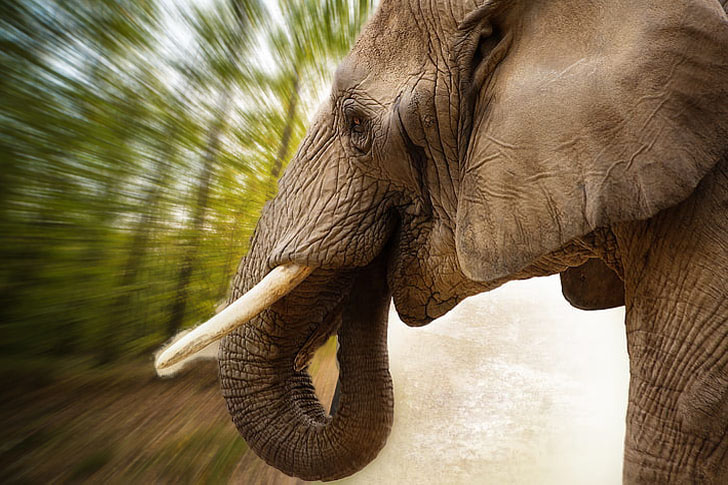
What can be done? People can choose to purchase alternatives products instead of poaching, for example using Tagua instead of ivory or buying sweaters and clothes made of alpaca wool.